Is Mexican Food Healthy? Unboxing the Nutritional Conveniences of Typical Active Ingredients
The inquiry of whether Mexican food is healthy and balanced welcomes an exploration of its conventional active ingredients. Beans and corn function as foundational staples, abundant in healthy protein and fiber. Avocados supply helpful fats, while different natural herbs and flavors include flavor and wellness benefits - lunch and dinner. Together, these elements develop a tapestry of nourishment. The healthiness of Mexican food frequently depends on preparation approaches and portion dimensions. What role do these elements play in establishing its general dietary value?
The Power of Beans: Healthy Protein and Fiber-Rich Staples
Although often forgotten, beans offer as a cornerstone of Mexican food, providing a wealth of nutritional advantages. Rich in healthy protein, they are an outstanding plant-based option for those looking for to fulfill their nutritional healthy protein needs. This high healthy protein web content sustains muscle fixing and growth, making beans very useful for both meat-eaters and vegetarians alike. Furthermore, beans are a remarkable resource of nutritional fiber, which assists in food digestion and promotes a feeling of volume, potentially aiding with weight management.
The selection of beans made use of in Mexican meals, such as black beans, pinto beans, and kidney beans, contributes to a varied taste account and can improve dishes nutritionally. Additionally, beans are reduced in fat and contain vital vitamins and minerals, including iron, magnesium, and folate. Together, these qualities make beans an important ingredient, providing both nutrition and nutrition in standard Mexican price.
Corn: a Versatile Grain With Nutritional Conveniences
Corn stands out as a functional grain fundamental to Mexican food, celebrated not just for its cooking applications however additionally for its impressive dietary account. As a main component in meals like tortillas, tamales, and pozole, corn provides crucial nutrients that contribute to a balanced diet regimen. Rich in carbohydrates, it functions as a substantial energy source, while likewise being low in fat, making it a positive choice for numerous nutritional needs.
Corn is an excellent source of dietary fiber, which assists in digestion and promotes satiety. It contains significant amounts of vitamins such as B-complex vitamins, which are important for power metabolic rate. The existence of antioxidants, particularly carotenoids, adds to general health and wellness by reducing oxidative anxiety. In addition, corn is gluten-free, satisfying those with gluten level of sensitivities. On the whole, the nutritional benefits of corn emphasize its relevance in conventional Mexican food and its duty in a healthy diet.
Avocados: Healthy Fats and Nutrients in Every Bite
Avocados play a considerable duty in Mexican cuisine, enhancing dishes with their creamy appearance and abundant flavor. Past their cooking allure, avocados are commemorated for their impressive dietary profile. They are a rich resource of healthy and balanced monounsaturated fats, which can assist lower bad cholesterol levels and assistance heart health and wellness. Furthermore, avocados are packed with essential vitamins and minerals, consisting of potassium, vitamin E, and B vitamins, adding to overall health.
The high fiber material in avocados aids food digestion and promotes satiety, making them a valuable addition to any kind of dish. Their special nutrient structure can likewise support skin health and give anti-inflammatory advantages. Incorporating avocados right into standard Mexican dishes or appreciating them as a standalone snack can enhance both taste and nutrition, showing why they are a cherished staple in Mexican cuisine. On the whole, avocados use a tasty means to appreciate healthy and balanced fats and important nutrients in every bite.

Natural Herbs and seasonings: Flavorful Health Boosters
While appreciating the abundant flavors of Mexican cuisine, one can not forget the necessary role that spices and herbs play in boosting both preference and health. Active ingredients such as chili, cilantro, and oregano peppers not just contribute to the vibrant flavor profile but also offer considerable health and wellness advantages. Cilantro is recognized for its detoxifying properties, helping to eliminate hefty steels from the body, while oregano is loaded with antioxidants and possesses anti-inflammatory effects.
Chili peppers, a staple in numerous Mexican dishes, include capsaicin, which has been linked to enhanced metabolic rate and discomfort alleviation. In addition, spices like cumin and coriander support digestion and may aid in blood glucose regulation. Integrating these flavorful health and wellness boosters right into dishes not only improves the culinary experience yet also advertises overall wellness, making Mexican cuisine not just delicious, but additionally nutritionally advantageous.
Traditional Food Preparation Approaches: Enhancing Nutrition and Flavor
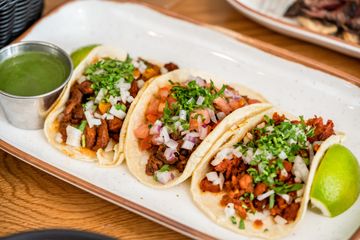
Typical food preparation techniques in Mexican cuisine play an important role in boosting both nourishment and flavor, as they frequently focus on classic methods and fresh ingredients. Strategies such as nixtamalization, where corn is soaked and prepared in an alkaline option, not only boost the nutrient profile of tortillas yet likewise enhance their digestibility - tacos. Additionally, using slow food preparation approaches, like stewing or braising, permits flavors to meld perfectly while keeping the honesty of the components
Frequently Asked Questions
Are Mexican Food Portions Usually Larger Than Various Other Foods?
Mexican food portions are often bigger than those of lots of other foods. This characteristic shows traditional dining techniques, highlighting communal sharing and hearty dishes, which can result in an extra considerable serving dimension generally.
How Does the Prep Work Approach Affect Healthiness of Mexican Food?
Preparation approaches significantly influence the healthfulness of Mexican food. Techniques such as barbecuing or steaming preserve nutrients, while frying can boost undesirable fat web content. Selections of components and cooking designs ultimately establish overall dietary worth.
Can Mexican Food Be Tailored for Details Dietary Limitations?
Mexican food can certainly be customized for details dietary limitations. Substitutions, such as making use of corn tortillas for gluten-free diets or integrating even more vegetables, allow people to take pleasure in traditional flavors while suiting various nutritional demands.
What Prevail Misunderstandings Concerning Mexican Food and Health And Wellness?
Usual misunderstandings regarding Mexican food consist of the idea that it is inherently harmful, overly hot, and only concentrated on fats. In truth, traditional meals frequently include nutritious components and can be customized to different nutritional needs.
Exist Healthier Options at Mexican Restaurants?
Much healthier alternatives at Mexican dining establishments frequently include grilled meats, beans, and fresh vegetables. Choosing dishes that emphasize whole ingredients and avoiding heavy sauces can result in a much more healthy dining experience, promoting general wellness.
The range of beans made use of in Mexican recipes, such as black beans, pinto beans, and kidney beans, adds to a varied taste account basics and can boost dishes nutritionally. Avocados play a significant role in Mexican food, matching meals with their luscious texture and rich flavor. Incorporating avocados into standard Mexican recipes or appreciating them as a standalone treat can improve both flavor and nourishment, showing why they are a beloved staple in Mexican food. While enjoying the rich tastes of Mexican food, one can not forget the necessary role that spices and herbs play in improving both taste and health and wellness. Traditional cooking techniques in Mexican cuisine play an important role in boosting both nourishment and taste, as they often focus on time-honored techniques and fresh components.